Traditional Rogan Art
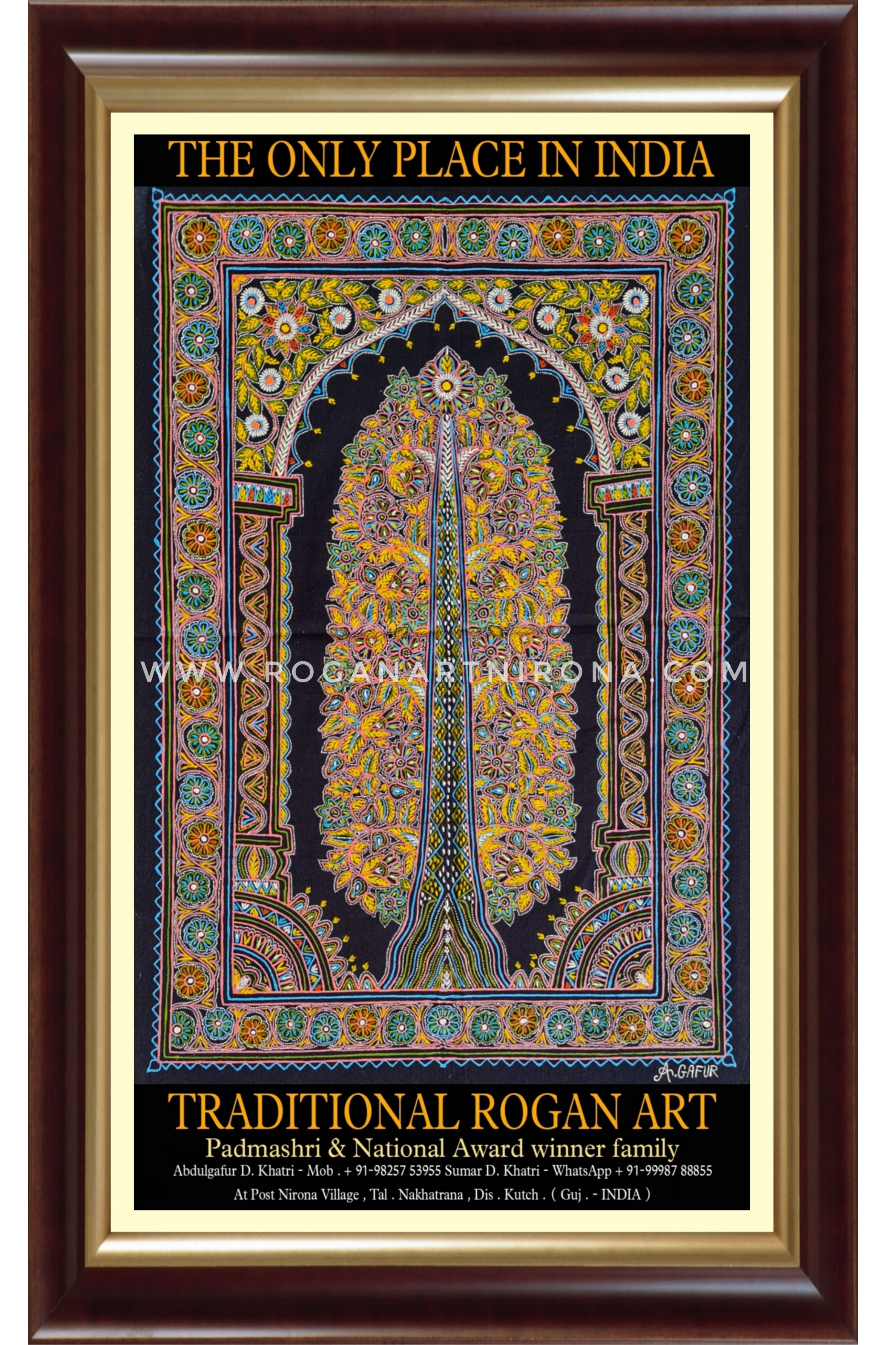
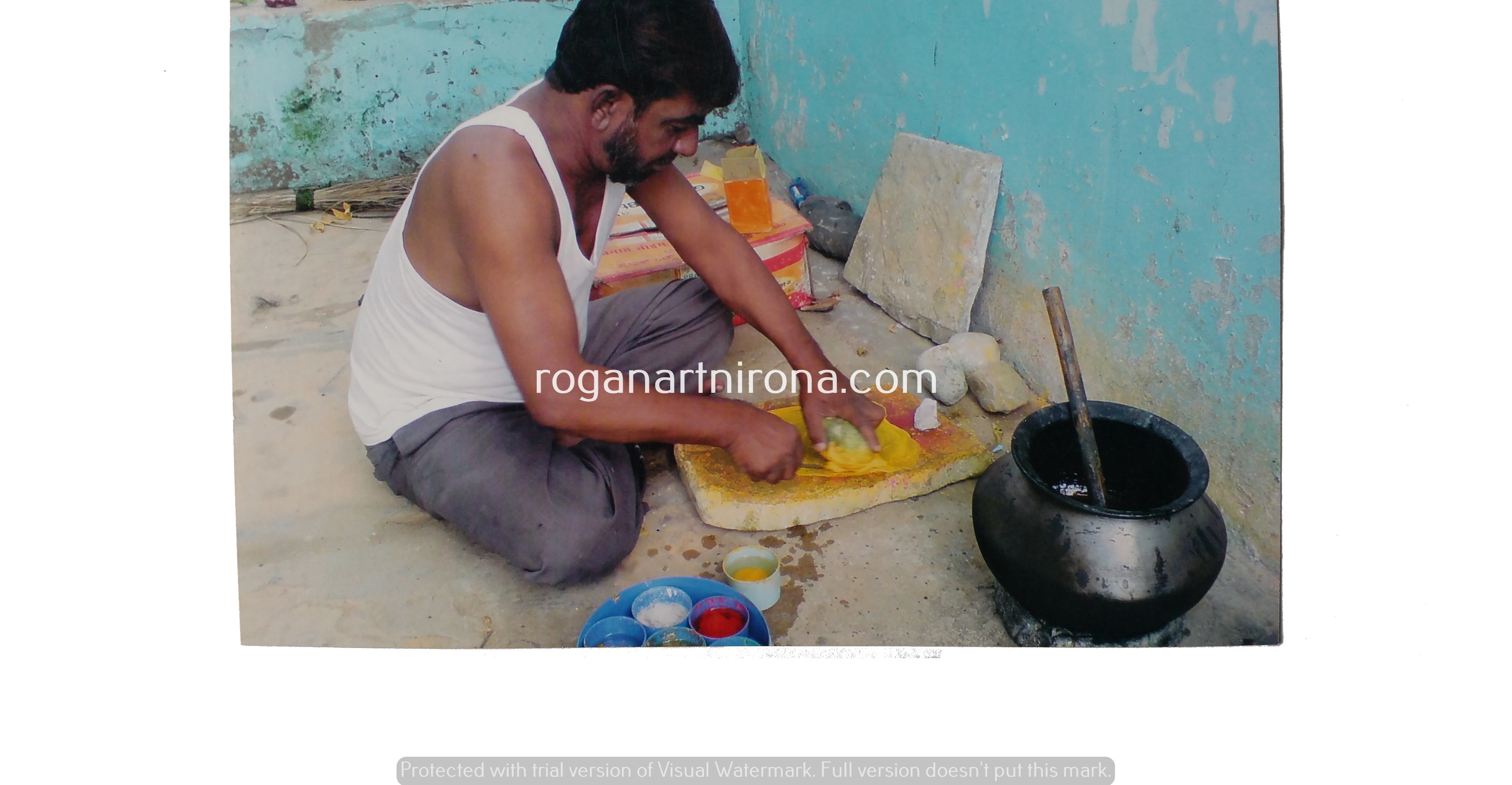
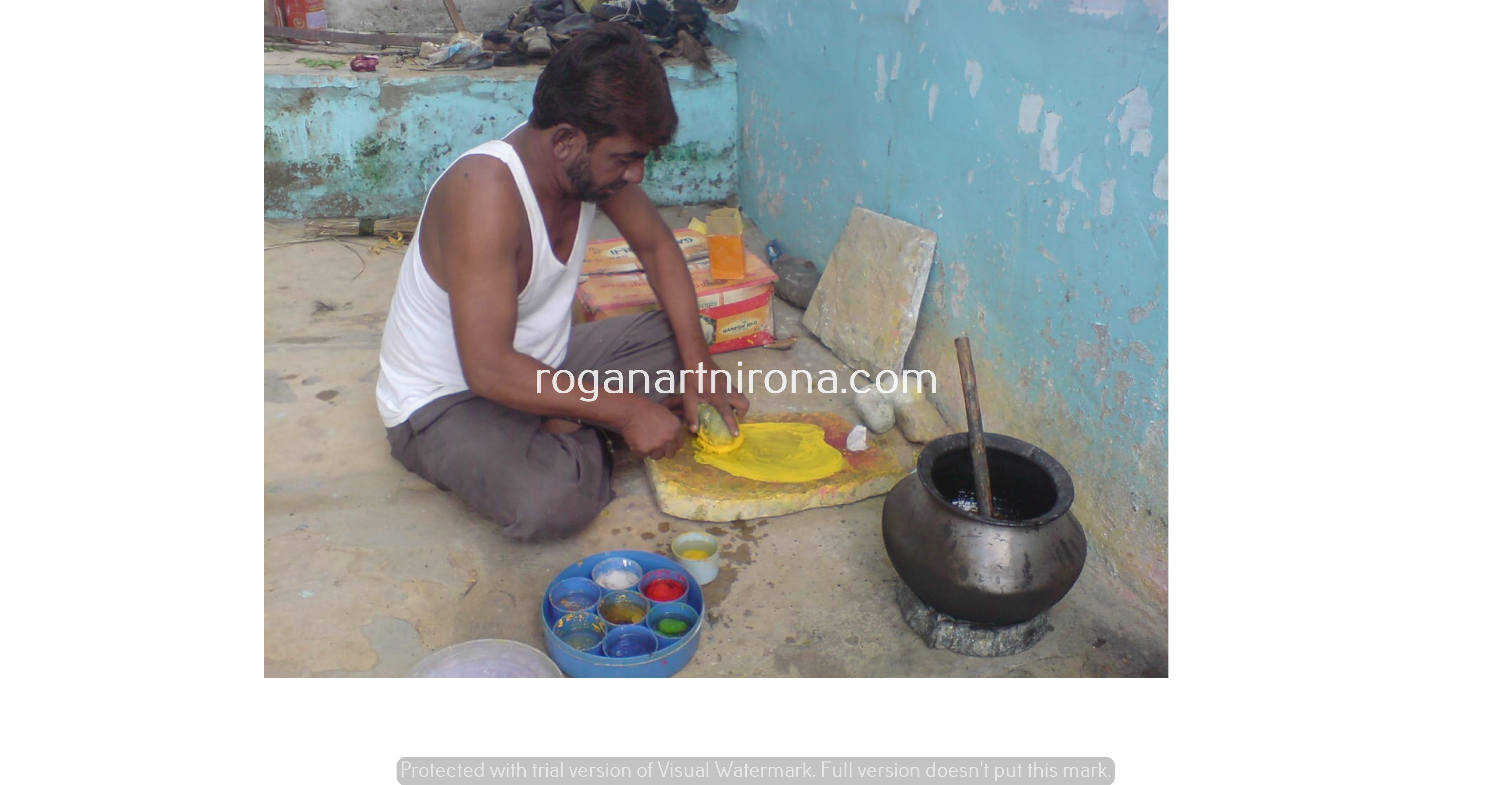
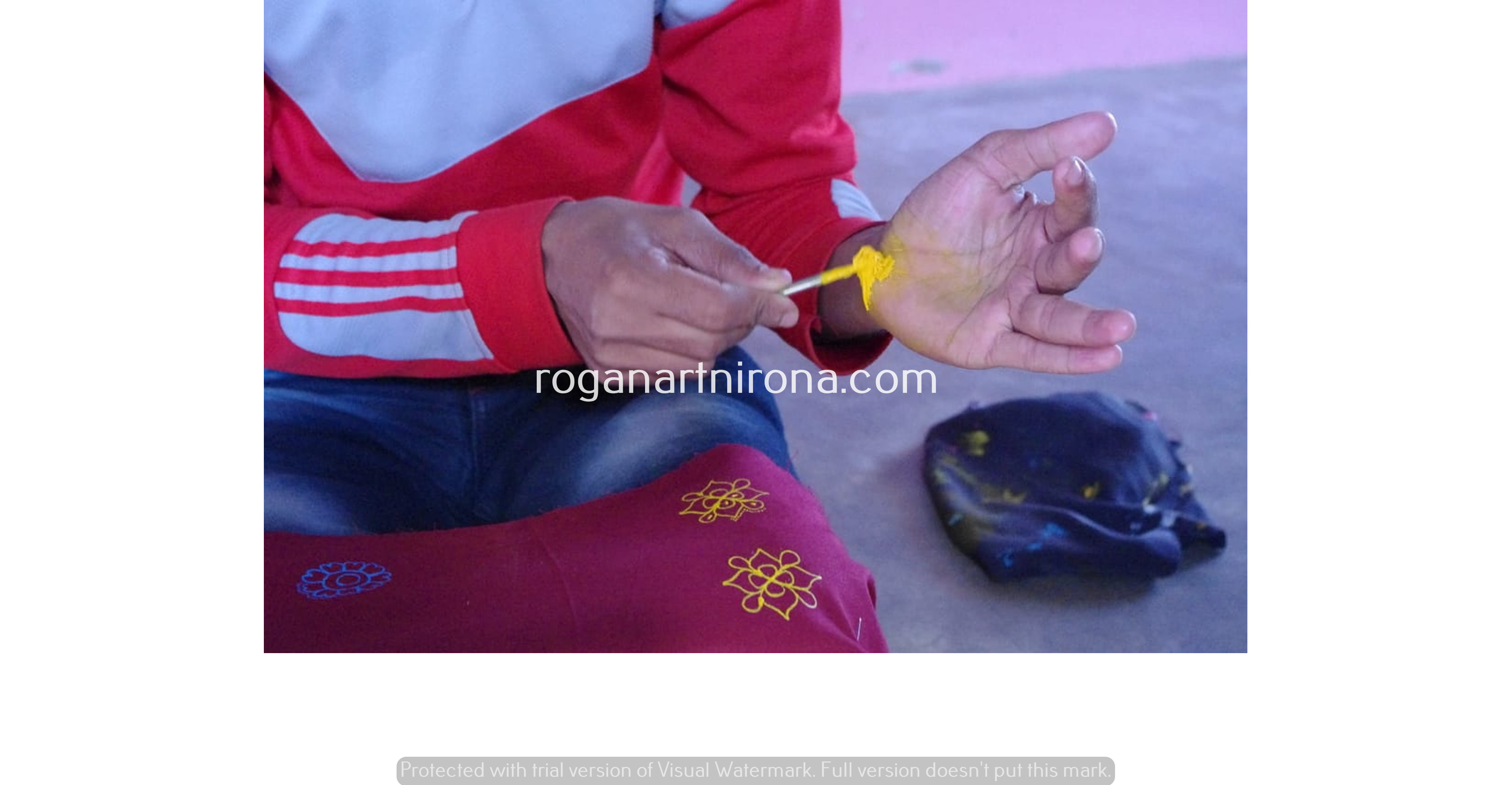
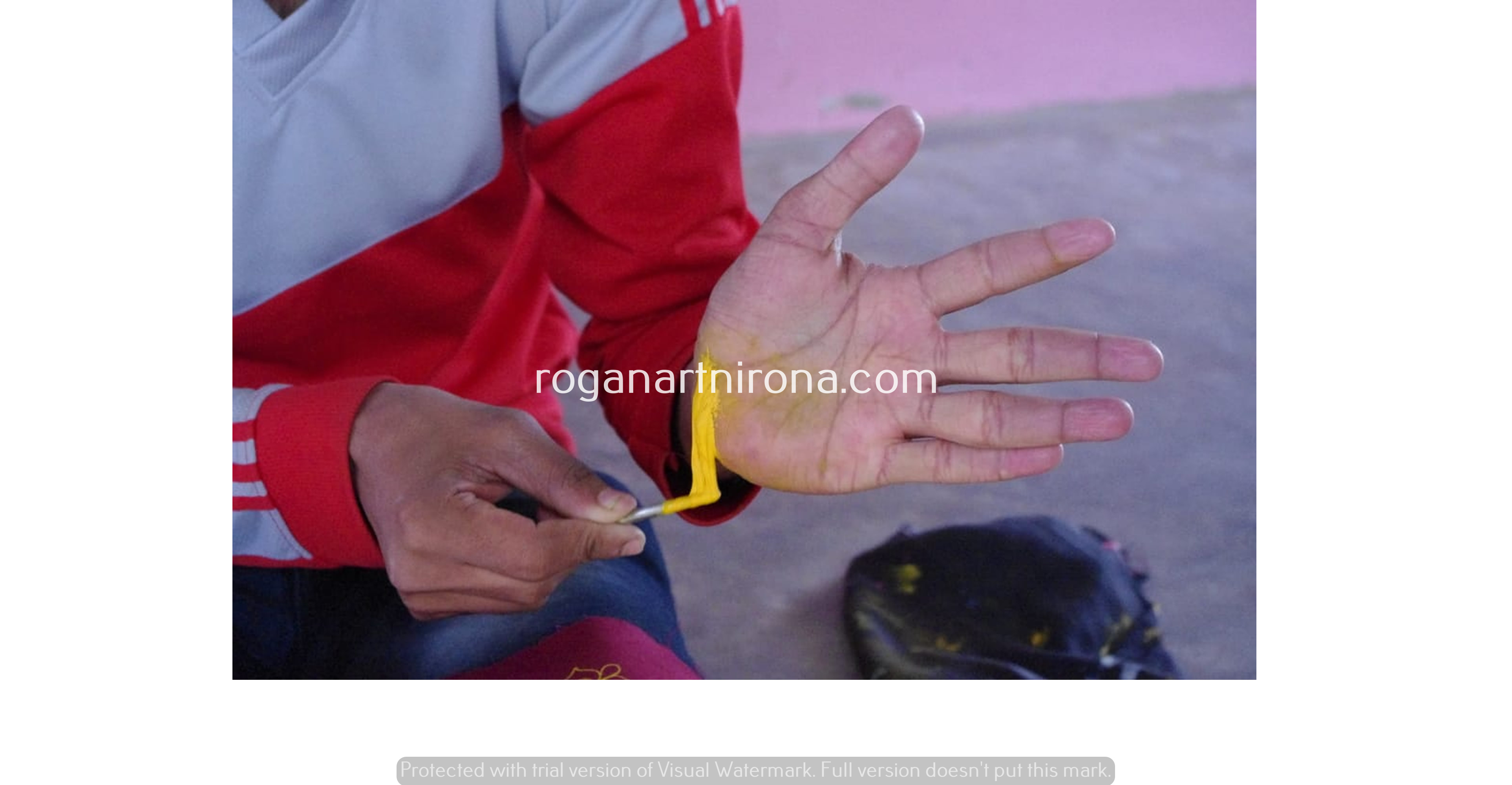
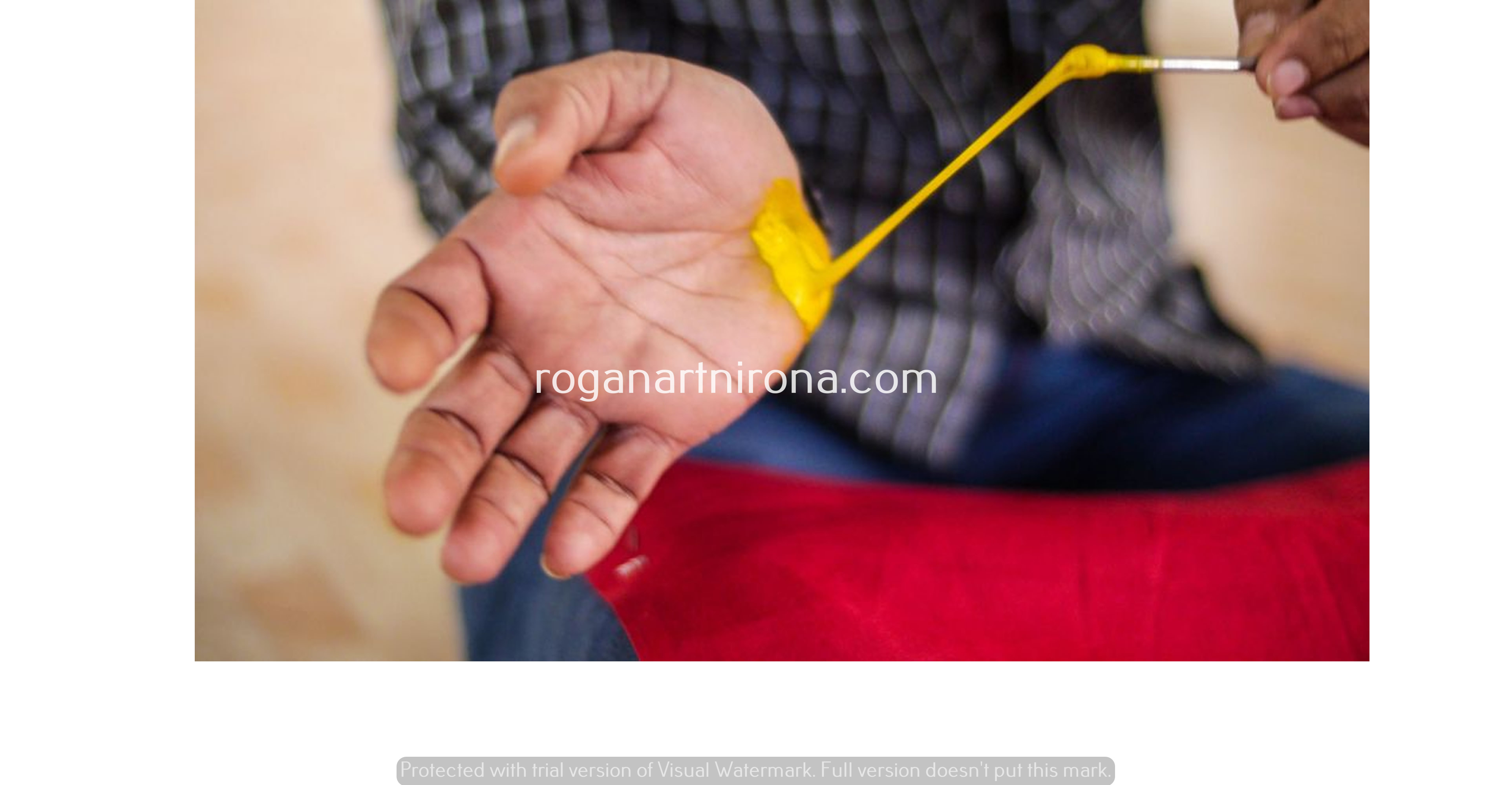
Rogan Art, an ancient textile painting tradition with its origins in Persia, was introduced to Nirona village in Kutch, Gujarat, nearly 400 years ago. This rare craft is unique in its technique—where the artisan uses a rod to “pre-manipulate” the paint in mid-air, forming delicate strands of color that are then laid onto the fabric. The fingers of the other hand, placed beneath the cloth, guide the final shape. In this sense, Rogan Art is a dialogue between two hands, requiring agility, patience, and absolute control.
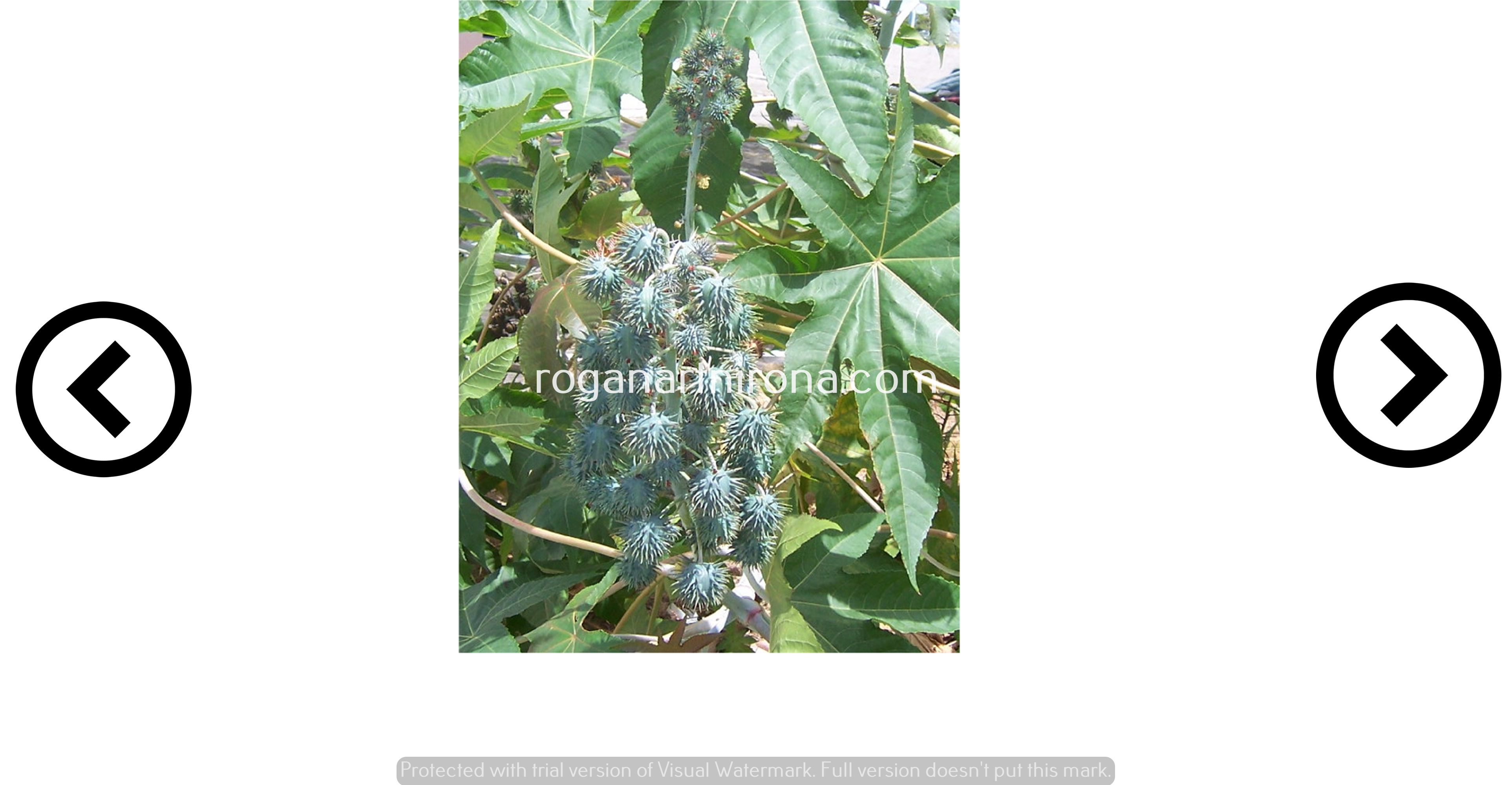
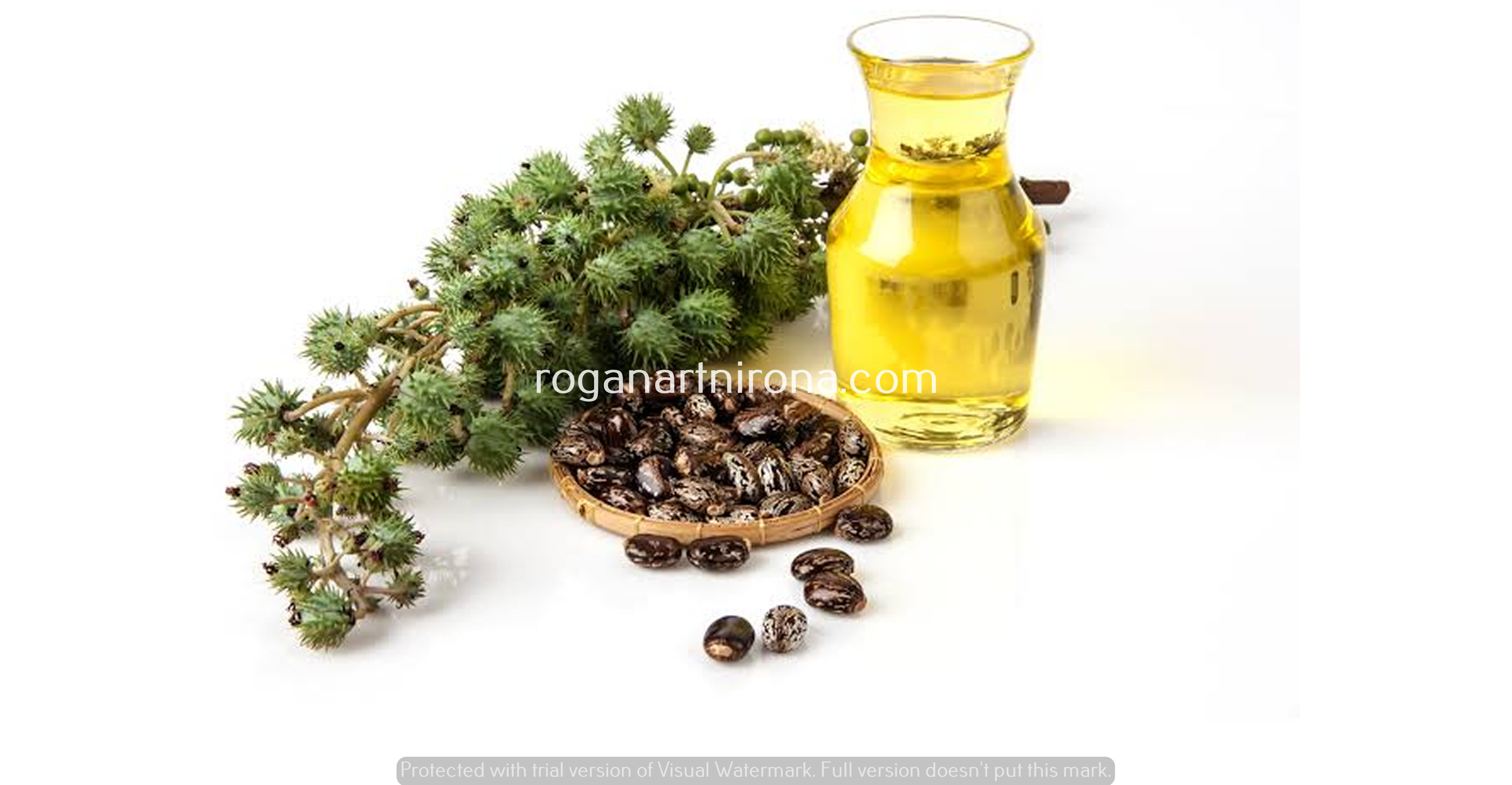
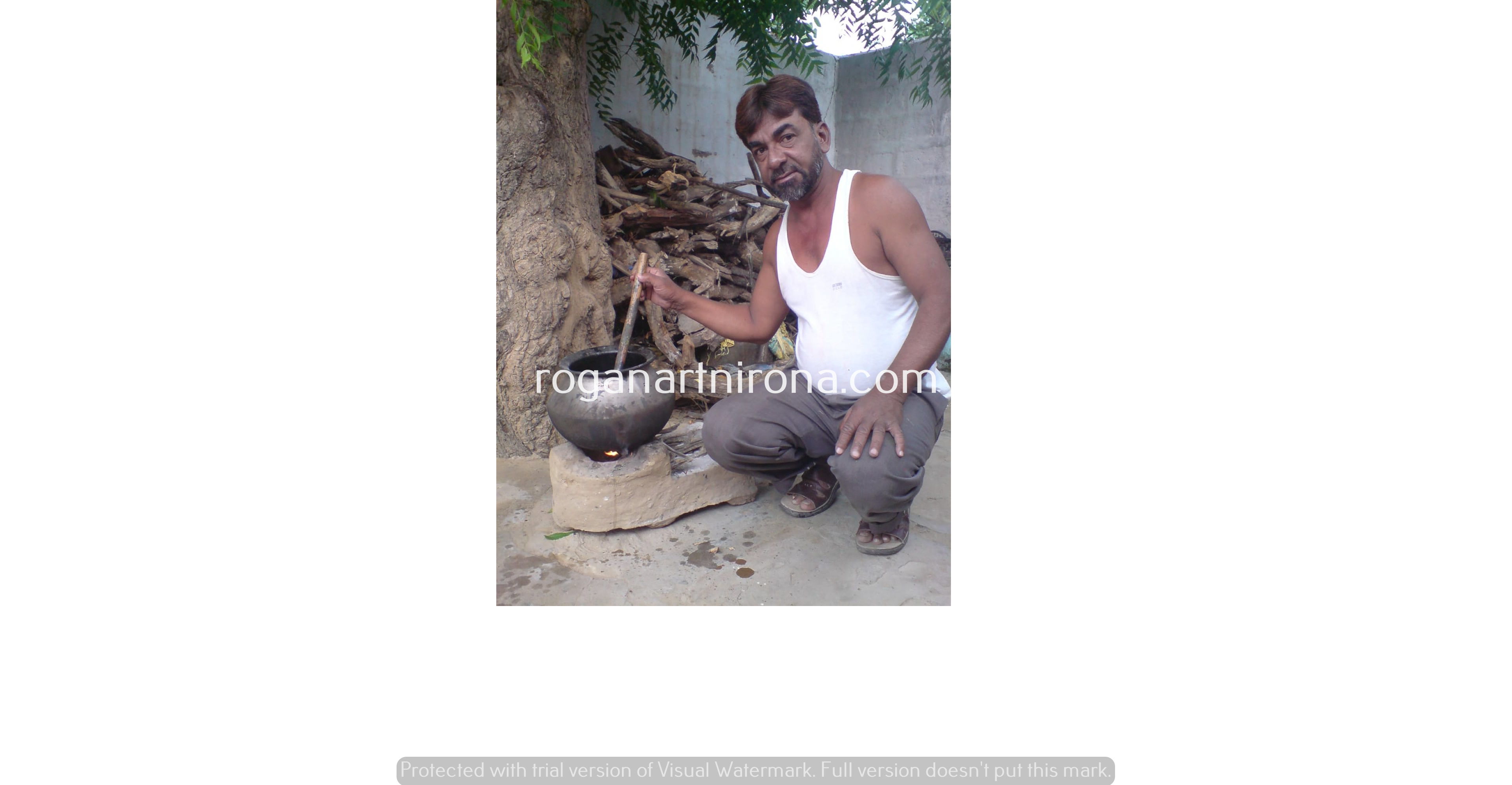
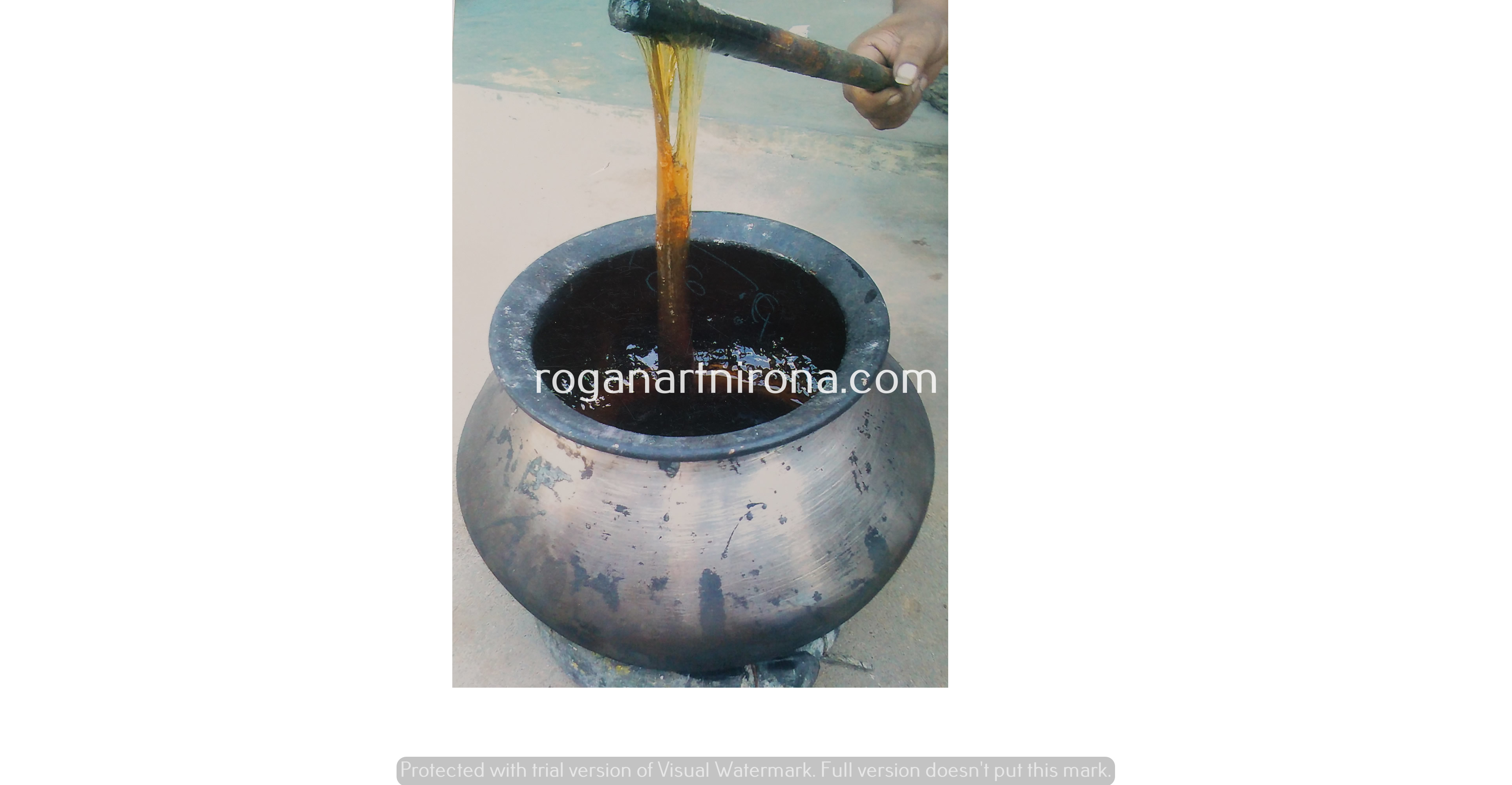
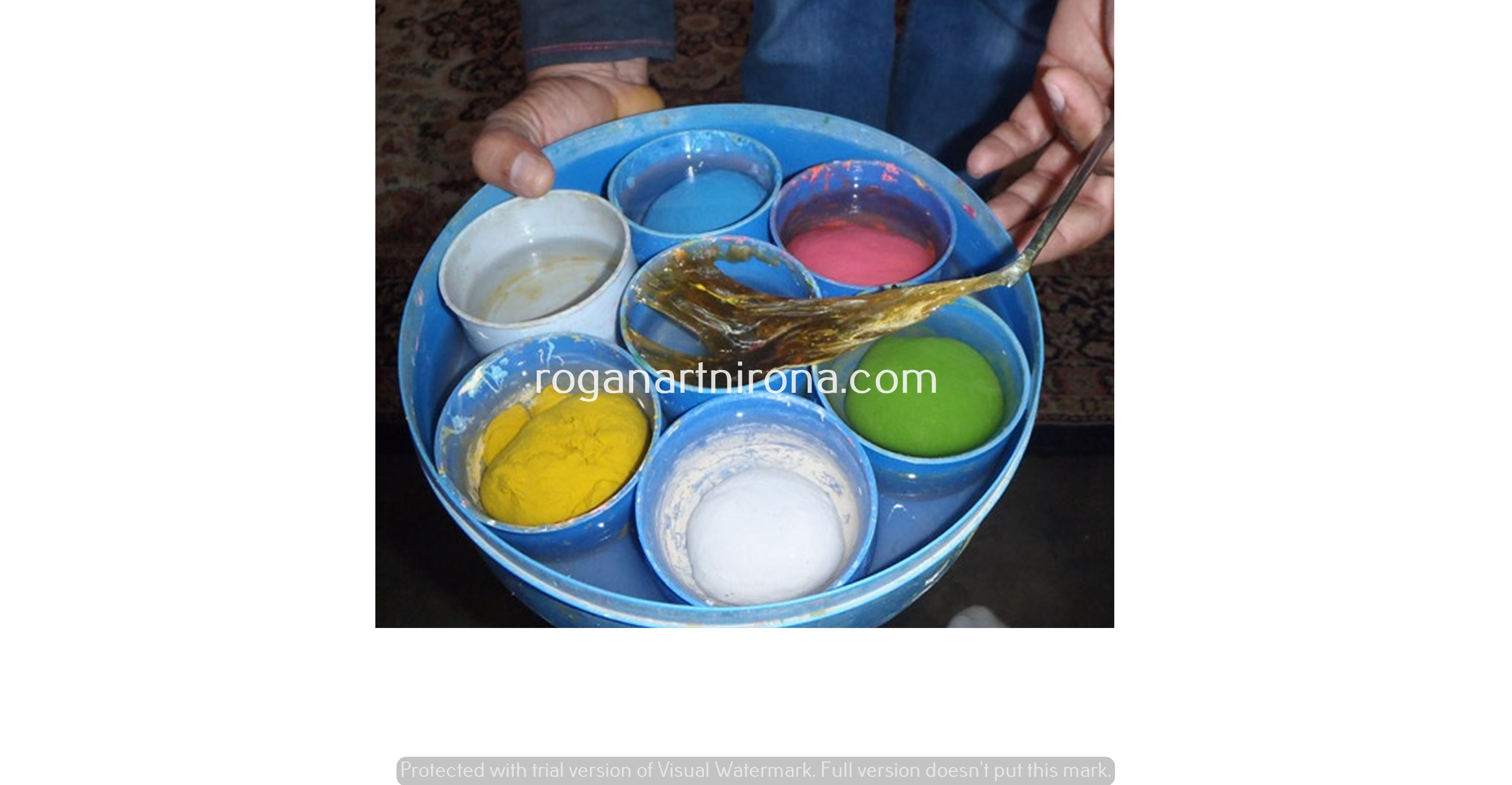
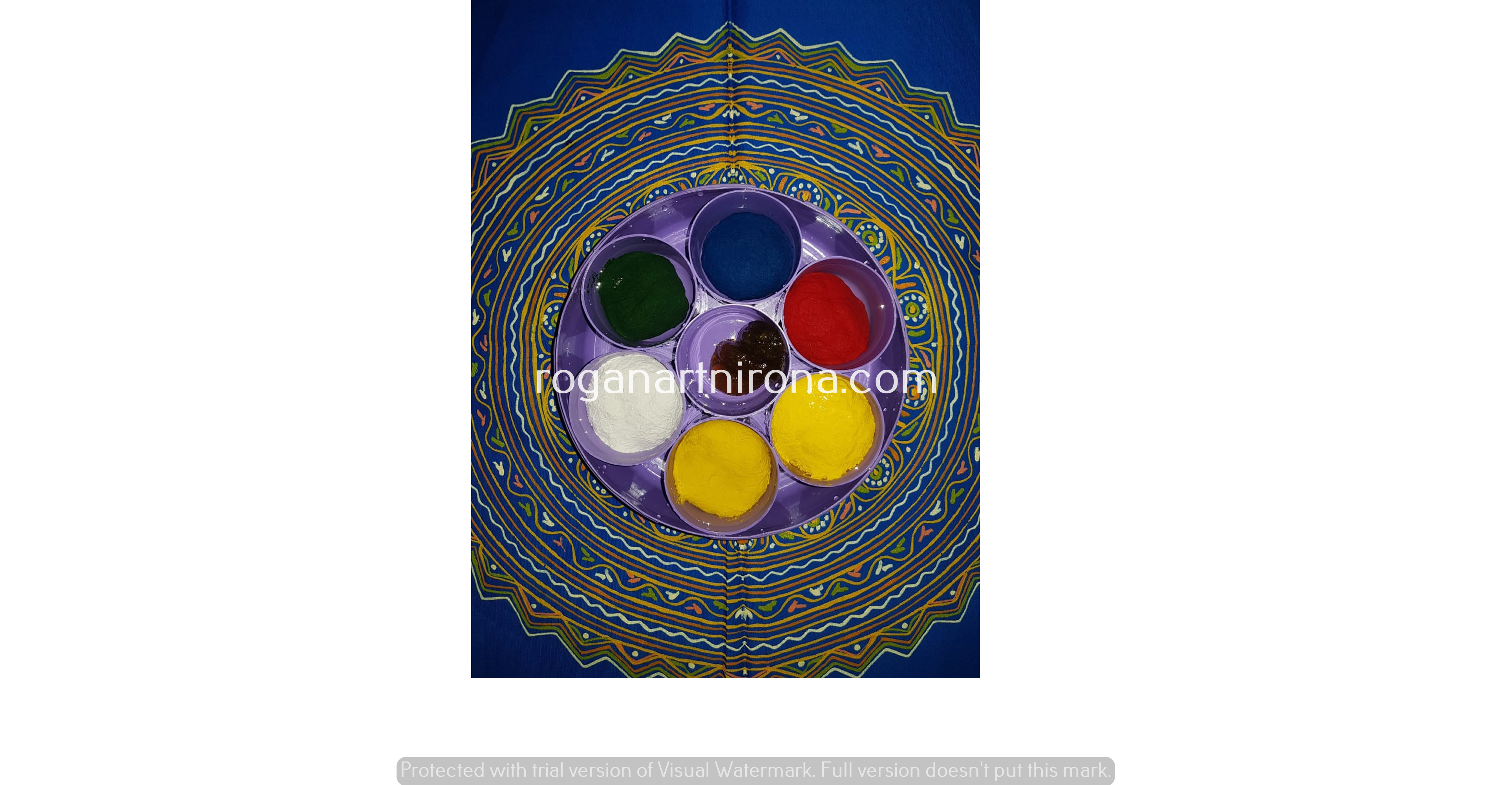
The paint itself is prepared by boiling castor oil for two days, mixing it with natural mineral pigments and a binding agent, producing a thick, lustrous paste. Applied freehand, the paint forms intricate patterns—often half of a design is created first, then the fabric is folded to produce a mirror image. Traditionally, colors such as yellow, white, red, blue, and green dominate Rogan work. Ancient motifs once included Persian alphabets, while today floral, geometric, and the iconic “Tree of Life” design remain central.
The art is usually practiced on dark-colored cloth, allowing the vibrant hues to shine. Each piece is drawn entirely by hand—no stencils, no sketches, only the artisan’s creativity flowing from heart to hand. The “Tree of Life,” symbolizing growth and happiness, has become Rogan Art’s most celebrated design worldwide.
Originally, Rogan work adorned bridal wear among local herding and farming communities. But with the advent of machine-made textiles, its demand dwindled, bringing the art close to extinction. The tradition survived only through the Abdul Gafur Khatri family of Nirona, the last authentic custodians of Rogan Art. Over time, the craft has transformed from simple decoration to an intricate fine art admired globally.